

COMPASSIONATE MENTAL HEALTH SUPPORT
Trauma Therapy in San Antonio, TX
Find healing from painful experiences, regain a sense of safety and control, and begin moving forward with confidence and hope.
In-person counseling in San Antonio and online therapy throughout Texas.

"Why can't I just move on from what happened?"
You've tried to move forward. Maybe more times than you can count.
You've told yourself that what happened is in the past, that you should be over it by now, or that other people have been through worse. But no matter how hard you try, certain memories, emotions, or situations still bring everything rushing back.
You might find yourself constantly on edge, struggling to trust others, avoiding certain situations, or feeling disconnected from yourself and the people around you.
You don't have to keep carrying the weight of what happened. Trauma isn't something you can simply forget or push through, and healing doesn't have to happen on anyone else's timeline.
Trauma therapy can help you process painful experiences, rebuild a sense of safety, and begin moving forward without feeling controlled by your past.

Do You Struggle With The Effects of Trauma?
✓ Unwanted memories, flashbacks, or nightmares about past experiences
✓ Feeling constantly on edge, anxious, or unsafe, even when there's no immediate danger
✓ Avoiding certain people, places, or situations that remind you of what happened
✓ Difficulty trusting others or feeling safe in relationships
✓ Feeling emotionally numb, disconnected, or detached from yourself
✓ Experiencing intense emotional reactions to seemingly small situations
✓ Struggling with guilt, shame, or blaming yourself for what happened
✓ Difficulty sleeping, relaxing, or feeling fully at ease
✓ Feeling overwhelmed by memories or emotions you can't seem to control
✓ Difficulty setting boundaries or maintaining healthy relationships
✓ Feeling stuck in survival mode, even though the experience is over
You don't have to face the effects of trauma alone. Our therapists can help you process difficult experiences, develop healthy coping strategies, and begin rebuilding a sense of safety and control in your life.
Trauma Therapy In Texas
Healing From the Past, Reclaiming Your Future
Trauma can leave lasting emotional and physical effects, even long after a difficult experience has ended. You might struggle with anxiety, intrusive memories, difficulty trusting others, or a constant feeling that something bad is about to happen. Sometimes, you may not fully understand why certain situations trigger such strong emotional reactions.
At Guiding Star Counseling & Wellness, we understand that trauma looks different for everyone. For some, it stems from a single overwhelming event, such as an accident, loss, or traumatic experience. For others, it develops through ongoing experiences like childhood neglect, emotional abuse, unhealthy relationships, or prolonged stress.
Our trauma therapists provide a compassionate, judgment-free environment where you can explore your experiences, understand how trauma may be affecting your thoughts, emotions, and relationships, and begin developing healthier ways to cope.
Through personalized, trauma-informed counseling, we help you recognize triggers, build emotional regulation skills, establish healthy boundaries, and work toward restoring a sense of safety and control. Healing doesn't mean forgetting what happened or forcing yourself to relive painful memories before you're ready. It means learning how to move forward in a way that feels safe and empowering.
Your past may be part of your story, but it doesn't have to define your future. With the right support, healing and meaningful change are possible.

We Help With Different Types of Depression, Including:
-
Childhood Trauma
Difficult childhood experiences, including neglect, abuse, or unstable environments, that continue to affect your emotions, relationships, and sense of safety.
-
Post-Traumatic Stress (PTSD)
Flashbacks, nightmares, heightened anxiety, avoidance, or emotional distress following a traumatic experience.
-
Complex Trauma (C-PTSD)
The lasting effects of repeated or prolonged traumatic experiences, often involving difficulties with trust, emotional regulation, and self-worth.
-
Emotional & Psychological Abuse
Experiences of manipulation, criticism, gaslighting, or emotional mistreatment that affect your confidence, boundaries, and relationships.
-
Physical & Sexual Trauma
The emotional and psychological effects of physical violence, sexual assault, or unwanted experiences that may impact your sense of safety and trust.
-
Relationship Trauma
Painful experiences involving betrayal, unhealthy relationships, abandonment, or repeated emotional harm that make it difficult to feel secure with others.
-
Grief & Traumatic Loss
The emotional impact of sudden loss, unexpected death, or distressing experiences surrounding the loss of someone important to you.
-
Accidents & Traumatic Events
Distressing experiences such as car accidents, medical emergencies, natural disasters, or witnessing frightening events.
-
Family & Generational Trauma
Unhealthy family patterns, unresolved family experiences, or learned responses to stress that continue to affect your emotional well-being.
Personalized Trauma Treatment
At Guiding Star Counseling & Wellness, we understand that healing from trauma is a deeply personal journey. Everyone processes difficult experiences differently, and your therapy should reflect your unique needs, experiences, and comfort level.
Our counselors use trauma-informed and evidence-based approaches to help you process painful experiences, manage emotional triggers, rebuild trust, and develop a greater sense of safety and control in your everyday life.
Our Approach to Trauma Therapy
Depending on your needs and your therapist's training, treatment may include:
-
EMDR helps individuals process distressing memories and reduce the emotional intensity associated with traumatic experiences. This approach can help you develop healthier responses to past events without needing to describe every detail of what happened.
-
TF-CBT helps children and adolescents process traumatic experiences, manage difficult emotions, and develop healthier coping skills. Treatment may also involve parents or caregivers to provide additional support throughout the healing process.
-
CPT helps individuals recognize and challenge negative beliefs related to traumatic experiences, including feelings of guilt, shame, or self-blame. This approach can help you develop a healthier understanding of your experiences and move forward with greater confidence.
-
Trauma can affect how your body responds to stress and perceived danger. Body-based techniques help you recognize physical signs of distress, practice grounding strategies, and develop a greater sense of calm and safety.
-
DBT skills help individuals manage intense emotions, cope with distressing memories, establish healthy boundaries, and strengthen relationships affected by trauma.
-
Trauma-informed therapy prioritizes safety, trust, and personal choice throughout the healing process. Your therapist works at a comfortable pace, helping you explore difficult experiences, develop coping strategies, and rebuild a sense of control.

You Deserve to Feel Safe Again
Imagine feeling safe and at peace in your own mind and body again.
Being able to navigate everyday situations without constantly feeling on edge or overwhelmed by memories of the past.
Building meaningful relationships, trusting yourself, and feeling more confident in the life you're creating.
You deserve to feel safe, supported, and in control of your own story.
Trauma therapy can help you begin healing from painful experiences and move forward with greater peace, confidence, and hope.
Connect With an Trauma Therapist in Texas
-
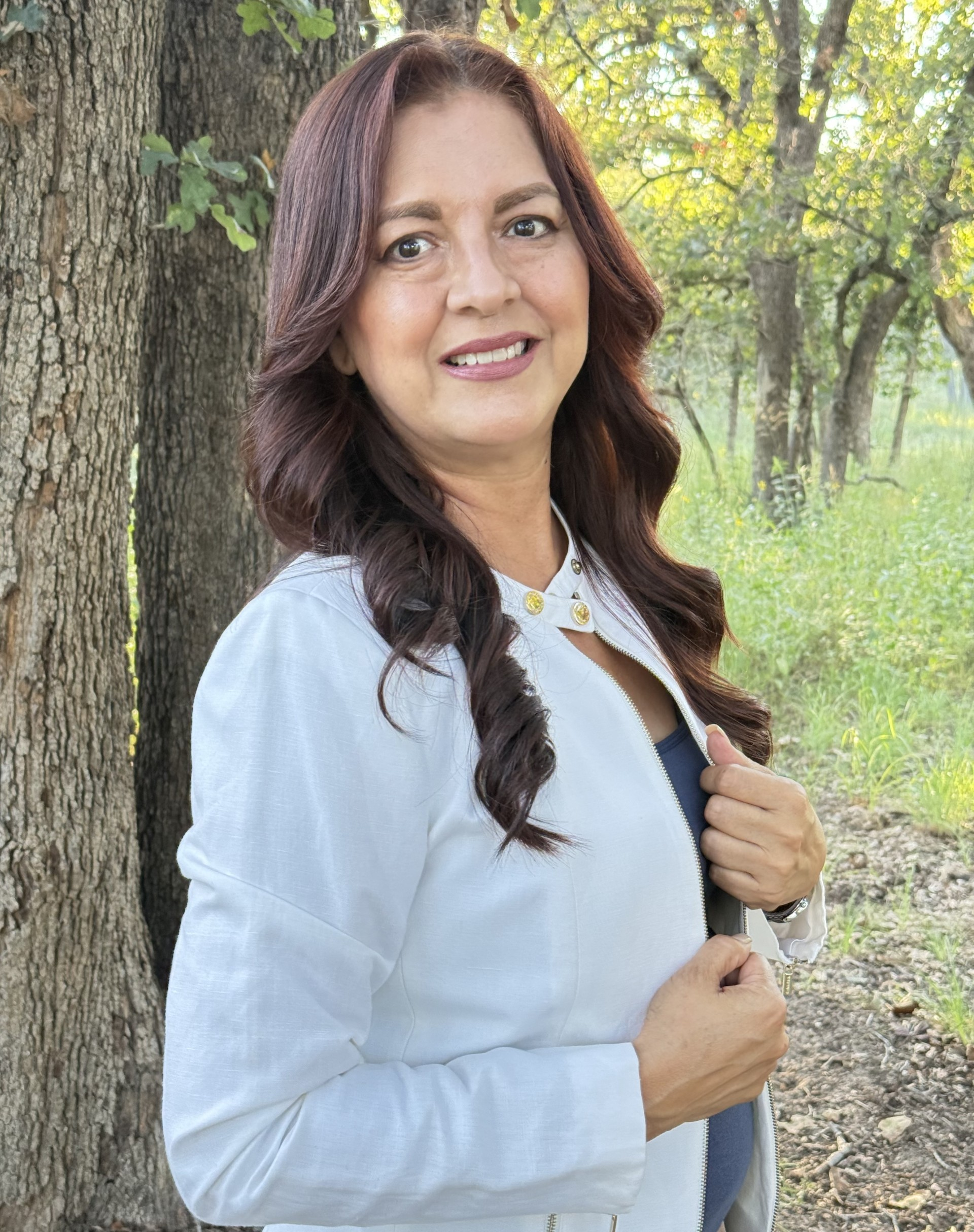
![Yazmine Castaneda]()
Yazmine Castaneda
Licensed Professional Counselor
-
![]()
David Arias
Licensed Professional Counselor
-
![]()
Madelyn Palacios
M.S., Licensed Professional Counselor, NCC
-
![]()
Gladys Cisneros
Licensed Professional Counselor
-
![]()
Annika De Anda
Licensed Professional Counselor Associate / Licensed Chemical Dependency Counselor -Intern
Supervised by Christina Del Rio, MA, LPC-S and Maribel Arias, LPC-S, NCC
-
![]()
Jayangela Hoel
Licensed Professional Counselor Associate / National Certified Counselor
Supervised by Maribel Arias, LPC-S, NCC
-
![]()
Mariah Campos
Licensed Professional Counselor - Associate
Supervised by Maribel Arias, LPC-S, NCC
-
![]()
Ricardo Velazquez Garcia
Licensed Professional Counselor Associate / Licensed Chemical Dependency Counselor -Intern
Supervised by Maribel Arias, LPC-S, NCC
-
![]()
Gerardo Torres
Licensed Professional Counselor Associate / Licensed Chemical Dependency Counselor -Intern
Supervised by Maribel Arias, LPC-S, NCC
-
![]()
Maribel Arias
Owner/Founder/ Licensed Professional Counselor- Supervisor






Trauma Counseling FAQs
Questions About Trauma Therapy
-
If past experiences continue to affect your emotions, relationships, sleep, or sense of safety, trauma therapy may help. You don't need a PTSD diagnosis or a specific type of traumatic experience to seek support.
-
Trauma refers to the emotional and psychological impact of distressing experiences. PTSD is a specific mental health condition that can develop after trauma and may involve flashbacks, nightmares, avoidance, and feeling constantly on edge. Not everyone who experiences trauma develops PTSD.
-
The best approach depends on your experiences and symptoms. Evidence-based treatments for PTSD include EMDR, Cognitive Processing Therapy (CPT), and trauma-focused cognitive behavioral approaches. A qualified trauma therapist can help determine which treatment is appropriate for you.
-
Yes. Trauma therapy can help you understand how childhood experiences may affect your emotions, self-esteem, relationships, and responses to stress. Counseling can support healthier coping strategies, boundaries, and emotional healing.
-
Not necessarily. Trauma therapy should move at a pace that feels manageable for you. Some approaches involve discussing traumatic experiences, while others, such as EMDR, may require less detailed verbal description. Your therapist will explain the process and work collaboratively with you.
-
Yes. Trauma can contribute to anxiety, depression, difficulty trusting others, emotional overwhelm, and challenges maintaining healthy relationships. Trauma therapy can help you understand these connections and develop healthier ways to respond.
-
Yes. It's possible to make meaningful progress even when a traumatic experience happened many years ago. Trauma therapy can help you process difficult memories, manage emotional triggers, and build a greater sense of safety and control.
-
Yes. EMDR is an evidence-based treatment for PTSD that helps individuals process distressing memories and reduce trauma-related symptoms. It is recommended in major clinical treatment guidelines, although results vary from person to person.

✓ Understand How Trauma Affects You – Explore how past experiences may be influencing your emotions, thoughts, behaviors, and relationships.
✓ Recognize and Manage Triggers – Learn to identify situations, memories, or emotions that bring up distress and develop healthier ways to respond.
✓ Rebuild a Sense of Safety and Control – Develop tools to feel more grounded, secure, and confident in your everyday life.
✓ Develop Healthy Coping Strategies – Learn practical techniques for managing anxiety, emotional overwhelm, flashbacks, and trauma-related stress.
✓ Process Painful Experiences – Work through difficult memories and emotions in a safe, supportive environment at a pace that feels right for you.
✓ Overcome Guilt, Shame, and Self-Blame – Challenge negative beliefs about yourself and develop greater self-compassion and understanding.
✓ Strengthen Trust and Relationships – Learn to establish healthy boundaries, improve communication, and build meaningful connections with others.
✓ Reclaim Your Confidence and Future – Reconnect with your strengths, rediscover your sense of self, and take meaningful steps toward a life that isn't defined by your past.
Ready to Begin Your Healing Journey?
Getting started is simple
-
REACH OUT
Contact our office to learn more about our anxiety counseling services and available therapists.
-
FIND YOUR THERAPIST
We'll help you explore your options and connect with a counselor who fits your needs.
-
BEGIN YOUR JOURNEY
Start building the tools, confidence, and coping strategies to manage anxiety and move forward.