

COMPASSIONATE MENTAL HEALTH SUPPORT
Substance Use & Recovery Counseling in San Antonio, TX
Break Free From Unhealthy Patterns and Rediscover Hope in Recovery
In-person counseling in San Antonio and online therapy throughout Texas.

“Why Do I Keep Turning to Something I Know Is Hurting Me?”
Maybe you've promised yourself you would cut back or stop, only to find yourself falling into the same patterns. You might turn to alcohol or drugs to manage stress, escape difficult emotions, or temporarily feel better, even when you know it's affecting your relationships, responsibilities, or well-being.
You may feel ashamed, frustrated, or afraid of being judged. Perhaps you've tried to make changes before but struggled to maintain them, leaving you wondering whether recovery is really possible.
Substance use challenges aren't simply a matter of willpower. They can be influenced by emotional pain, trauma, mental health concerns, environmental factors, and changes in how the brain responds to substances.
You are more than your struggles with substance use. With compassionate support and the right tools, you can begin breaking unhealthy patterns and building a healthier future.

Do You Struggle With Substance Use?
✓ Difficulty Cutting Back or Stopping – Using alcohol or drugs more often or in larger amounts than you intended.
✓ Cravings and Urges – Experiencing strong desires to use substances, even when you're trying to make changes.
✓ Using Substances to Cope – Turning to alcohol or drugs to escape stress, anxiety, trauma, or difficult emotions.
✓ Relationship Difficulties – Experiencing conflict, broken trust, or emotional distance with loved ones because of substance use.
✓ Neglecting Responsibilities – Struggling to keep up with work, school, family obligations, or personal commitments.
✓ Guilt, Shame, or Secrecy – Feeling embarrassed about your substance use or hiding your habits from others.
✓ Repeated Attempts to Quit – Trying to stop or reduce substance use but finding yourself returning to old patterns.
✓ Fear of Relapse – Worrying about returning to substance use after a period of sobriety or recovery.
If these experiences sound familiar, substance use counseling can help you understand your patterns, develop healthier coping skills, and take meaningful steps toward recovery.
Substance Abuse Therapy in Texas
Understanding the Struggle, Rebuilding Your Life
Substance use can begin in many different ways. What starts as occasional drinking, recreational drug use, or an attempt to cope with stress can gradually develop into patterns that feel difficult to control. You may notice changes in your mood, relationships, motivation, or physical health without realizing how much substance use has begun affecting your life.
At Guiding Star Counseling & Wellness, we recognize that substance use disorders are complex and affect everyone differently. Some individuals struggle with alcohol dependence, prescription medication misuse, or drug addiction, while others are navigating early recovery, recurring relapses, or the emotional challenges of maintaining sobriety.
Our substance use counselors provide a compassionate, confidential environment where you can explore the factors contributing to substance use without fear of judgment. We understand that addiction can be connected to trauma, anxiety, depression, chronic stress, and other emotional challenges that deserve attention alongside recovery.
Through personalized addiction counseling, we help you identify triggers, recognize unhealthy patterns, develop effective coping strategies, and strengthen your ability to make healthier decisions. Whether your goal is to reduce harmful substance use, pursue sobriety, or maintain long-term recovery, therapy can provide guidance and accountability throughout the process.
Recovery isn't about having a perfect journey or never experiencing setbacks. It's about discovering healthier ways to cope, rebuilding trust in yourself, and recognizing that meaningful change is possible.

Understanding Substance Use Disorders
-
Alcohol Use Disorder
Alcohol use disorder can involve difficulty controlling drinking, strong cravings, or continuing to drink despite negative consequences. Counseling can help individuals explore drinking patterns, identify triggers, and develop healthier ways to manage stress and emotions.
-
Drug Addiction & Substance Dependence
Drug addiction can involve continued use of substances such as opioids, stimulants, or other drugs despite harmful consequences. Therapy can support behavioral changes, emotional healing, and recovery alongside appropriate medical care when needed.
-
Prescription Medication Misuse
Misusing prescription medications, including painkillers, sedatives, or stimulants, can lead to physical dependence and emotional challenges. Counseling can help individuals understand patterns of misuse and develop healthier coping strategies while coordinating with medical professionals when appropriate.
-
Marijuana & Cannabis Use
Although cannabis is often viewed as harmless, some individuals experience difficulty reducing or stopping use. Counseling can help address dependence, motivation, emotional coping, and the impact cannabis may have on daily functioning.
-
Teen Substance Use & Vaping
Adolescents may experiment with alcohol, marijuana, nicotine, or other substances because of peer pressure, stress, or emotional difficulties. Counseling can help teens understand risks, strengthen decision-making skills, and develop healthier coping strategies.
-
Relapse Prevention & Long-Term Recovery
Maintaining recovery can involve managing cravings, recognizing high-risk situations, and navigating emotional challenges without returning to substance use. Relapse prevention counseling helps individuals strengthen coping skills, establish supportive routines, and prepare for setbacks.
Personalized Substance Use & Recovery Treatment
At Guiding Star Counseling & Wellness, we understand that recovery is not a one-size-fits-all process. Everyone's experiences with substance use, personal challenges, and goals are different, which is why counseling should reflect your individual needs and circumstances.
Our counselors use evidence-based therapeutic approaches to help you understand the underlying factors contributing to substance use, manage cravings and emotional triggers, strengthen coping skills, and develop a healthier relationship with yourself and others.
Our Approach to Substance Use & Recovery Counseling
Depending on your needs and your therapist's training, treatment may include:
-
CBT helps individuals recognize thought patterns and behaviors that contribute to substance use. This approach focuses on identifying triggers, challenging unhelpful beliefs, and developing healthier coping strategies to manage cravings, stress, and situations that may increase the risk of returning to substance use.
-
Motivational Interviewing helps individuals explore their feelings about substance use and strengthen their personal motivation for change. This collaborative, nonjudgmental approach can be especially helpful when you're feeling uncertain about recovery or struggling to take the first step.
-
DBT skills help individuals manage intense emotions, tolerate distress, and respond to difficult situations without relying on substances. This approach can be particularly beneficial for those who use alcohol or drugs to cope with emotional pain, impulsivity, or overwhelming stress.
-
Relapse prevention focuses on identifying personal triggers, recognizing warning signs, and developing a plan for managing high-risk situations. These strategies can help individuals strengthen their recovery, respond to setbacks, and build confidence in maintaining healthier behaviors.
-
Solution-Focused Brief Therapy helps individuals identify personal strengths, establish realistic recovery goals, and recognize positive changes already taking place. This approach emphasizes practical solutions and achievable steps toward building a healthier, more fulfilling life.
-
Trauma-informed counseling recognizes that painful experiences and unresolved emotional distress may contribute to substance use. This approach creates a supportive environment where individuals can explore emotional triggers, strengthen their sense of safety, and develop healthier ways of coping without feeling pressured to discuss experiences before they're ready.

You Deserve a Future Beyond Substance Use
Imagine waking up feeling more in control of your choices, your emotions, and the direction of your life.
Being able to navigate stress, difficult emotions, and everyday challenges without feeling like you need alcohol or drugs to get through them.
Rebuilding trust in yourself, strengthening meaningful relationships, and finding confidence in the progress you're making, one step at a time.
You deserve a life filled with hope, connection, and the freedom to make choices that support your well-being.
Substance use counseling can help you break unhealthy patterns, develop lasting coping skills, and move toward a future defined by growth rather than addiction.
Connect With a Therapist Who Specialize in Substance Use & Recovery
-
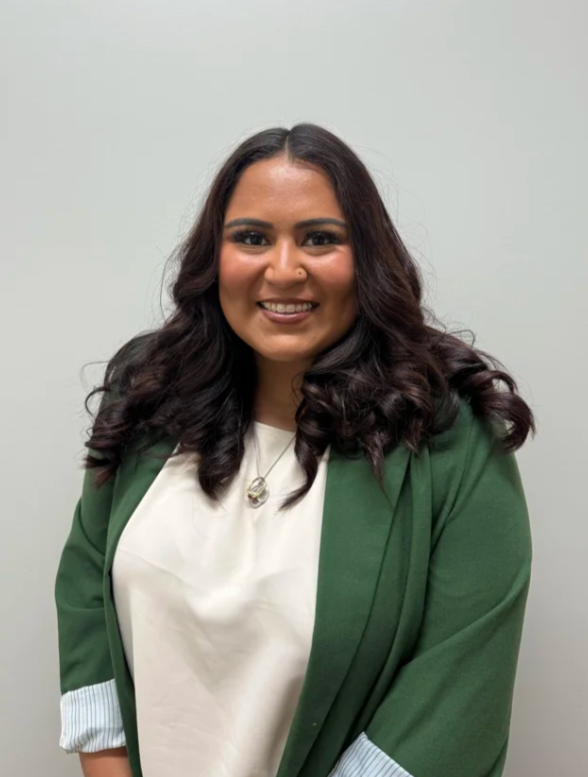
![]()
Annika De Anda
Licensed Professional Counselor Associate / Licensed Chemical Dependency Counselor -Intern
Supervised by Christina Del Rio, MA, LPC-S and Maribel Arias, LPC-S, NCC
-
![]()
Ricardo Velazquez Garcia
Licensed Professional Counselor Associate / Licensed Chemical Dependency Counselor -Intern
Supervised by Maribel Arias, LPC-S, NCC
-
![]()
Gerardo Torres
Licensed Professional Counselor Associate / Licensed Chemical Dependency Counselor -Intern
Supervised by Maribel Arias, LPC-S, NCC


Substance Use Counseling FAQs
Questions About Substance Use Counseling
-
If you struggle to control your alcohol or drug use, experience cravings, or continue using substances despite negative consequences, counseling may be beneficial. You don't need to reach a crisis point before seeking support.
-
Yes. Alcohol counseling can help you identify drinking triggers, develop healthier coping strategies, and work toward reducing or stopping alcohol use. Depending on your needs, therapy may be combined with medical treatment, medication, or recovery support programs. People who are physically dependent on alcohol should seek medical guidance before stopping abruptly because withdrawal can be dangerous.
-
Substance use counseling typically focuses on emotional, behavioral, and psychological factors contributing to substance use. Addiction treatment may also include medical care, withdrawal management, medication, outpatient programs, or residential treatment. Counseling can be one part of a comprehensive recovery plan.
-
Yes. Some individuals benefit from outpatient substance use counseling without entering a residential rehabilitation program. However, the appropriate level of care depends on the severity of substance use, withdrawal risks, safety concerns, and individual circumstances.
-
Your therapist may ask about your substance use history, emotional well-being, relationships, and personal goals. Together, you'll explore triggers, identify patterns, and develop coping strategies. Sessions are designed to provide a supportive environment where you can discuss challenges without judgment.
-
A return to substance use doesn't mean recovery is impossible. Counseling can help you understand what contributed to the setback, address underlying challenges, and adjust your recovery plan. Additional medical or treatment support may sometimes be necessary.

✓ Understand the Root Causes of Substance Use – Explore how stress, trauma, mental health concerns, and past experiences may contribute to your relationship with alcohol or drugs.
✓ Identify Triggers and Cravings – Recognize the emotions, situations, and patterns that increase the urge to use substances and learn healthier ways to respond.
✓ Develop Healthy Coping Strategies – Build practical skills for managing anxiety, stress, emotional pain, and everyday challenges without relying on substances.
✓ Break Unhealthy Behavioral Patterns – Recognize habits and thought patterns that contribute to substance use and develop strategies for making healthier choices.
✓ Strengthen Emotional Regulation – Learn to manage difficult emotions, impulsivity, and frustration in ways that support your recovery.
✓ Rebuild Trust and Relationships – Improve communication, establish healthy boundaries, and work toward repairing relationships affected by substance use.
✓ Build Confidence and Self-Worth – Overcome feelings of guilt, shame, and self-doubt while developing a stronger sense of self-acceptance.
✓ Prevent Relapse and Maintain Recovery – Recognize warning signs, create a personalized relapse prevention plan, and develop tools to support long-term progress.
✓ Create a Healthier, More Fulfilling Future – Set realistic goals, establish supportive routines, and build a life that aligns with your values and personal well-being.
How Substance Use Counseling Can Help You Reclaim Your Life
Getting started is simple
-
REACH OUT
Contact our office to learn more about our anxiety counseling services and available therapists.
-
FIND YOUR THERAPIST
We'll help you explore your options and connect with a counselor who fits your needs.
-
BEGIN YOUR JOURNEY
Start building the tools, confidence, and coping strategies to manage anxiety and move forward.